




As the World Cup Approaches, How Can Brand Sponsorships Promote Inclusivity?
With the tournament set to begin, our Deputy ECD, Dillah, speaks about how brands have an opportunity to move beyond visibility and create more meaningful connections with fans.
Football is an inherently inclusive sport: all you need is a ball, and anything else is a bonus. But big money, politics, inflated broadcast rights deals, and soaring expenses are all making football less accessible than it’s ever been, creating a distance between the sport and the fans that is not serving the sport, or the sponsors.
The FIFA World Cup 2026 exemplifies this. Ticket prices are exorbitant, travel costs are prohibitive, and corporate hospitality is too often given priority over fans’ enjoyment, which is why TikTok is full of unhappy people lamenting the lack of affordability. It’s the biggest World Cup ever with a record 48 participating teams, but disconnected fans have never felt further away from the football.
Brands have a choice in how they show up in the midst of this, and too many official sponsors are following the old playbook of “buy this”, “win this” or “meet these celebs”, settling for badging exercises when they could be moving in the opposite direction towards participation and belonging.
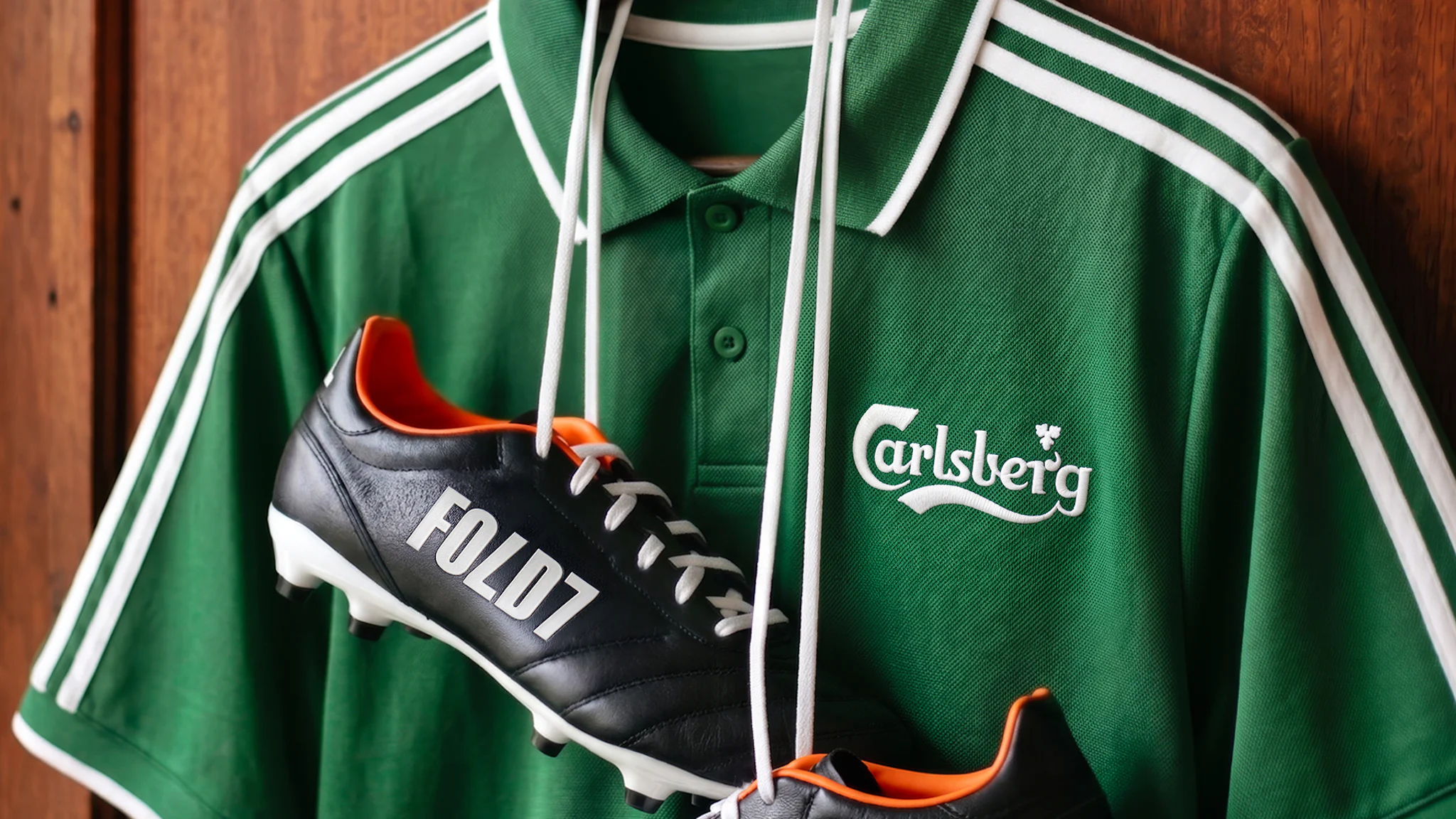
At Fold7 we work with Carlsberg’s sponsorship of Liverpool FC, and our approach has always been centred on the latter. A 33-year partnership between club and sponsor has allowed us to get close to the fans and create initiatives that resonate at all levels, countering the lack of trust that inauthentic or heavy-handed sponsorships produce.
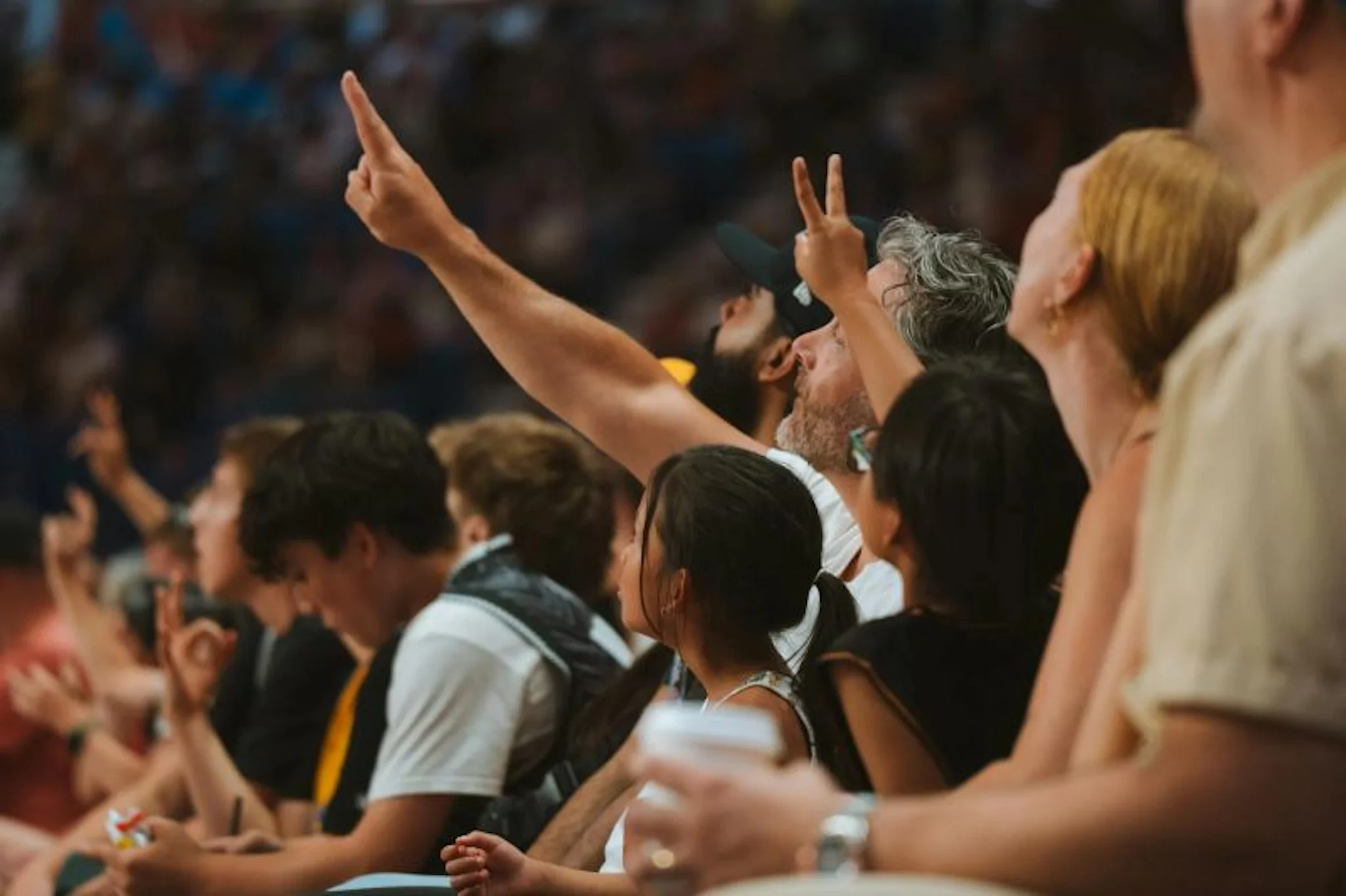
Our recent “Signs of Unity” campaign worked with fans to take an existing ritual – Liverpool FC’s pre-match anthem – and transform it into a genuinely inclusive experience by creating an accessible sign language version of “You’ll never walk alone” that both deaf and hearing fans can enjoy. The project involved consulting with deaf and hard-of-hearing fans as well as the British Deaf Association, and then launching an integrated campaign across Liverpool’s ecosystem of players, supporter groups and club media. This got hearing fans involved and everyone could sign the anthem in unison.
Ultimately, the idea amplified Carlsberg’s message by demonstrating it, not stating it, and by driving mass participation. It was about more than “readability”, it was about belonging and democratisation. It’s the opposite of what the World Cup is doing, and it’s the kind of inclusive approach that we hope to build on with our new client UEFA across its portfolio of European football tournaments.
Another British club that has seen the benefits of understanding its fans is Arsenal FC. The club won the Premier League title (and only narrowly lost out to PSG on penalties in Champions League Final), but it’s not only success on the pitch that drew 1.5 million fans to watch the team parade through the streets of North London. It’s Arsenal’s continued dedication to engaging its audience, investing in the women’s team and providing grass roots support in the local community.
Football should be all about exactly this: fans and emotions coming together, not people in suits drinking champagne and looking at their phones. For brands that want to use their sponsorship dollars to make a real connection with fans rather than to secure more VIP seats for their pals, here are a few pointers to make everyone feel like they are in the game:
1. Make sure you are being authentic to the community. Spend time digging into the culture, getting to know the club, the fans, the personalities and the neighbourhood, as well as tuning in to the global fan base.
2. Look for something meaningful and longer term that supports a club or a community and makes them want to feel part of something. Understand that fans are increasingly sceptical of sponsorship, and winning them over creates a powerful connection that does more than make people think about inclusion, it makes people forget they were ever excluded.
3. CSR is not an add-on that is just there to create extra noise or a bit of entertainment. This isn’t about inclusivity for inclusivity’s sake. If it’s done right, belonging and participation create unity in a way that makes everyone’s lives and experiences better. Inclusion should be designed with communities, not for them.
The World Cup is one of the few events that genuinely has the potential to feel like it belongs to us all: people of every age, background, language, and politics should be able to get excited about it. For brands to benefit they need to think beyond visibility and seize the chance to make the whole world feel invited to a tournament where the excitement is felt by everyone.
*This piece was first published on BrandingInAsia.com
More Suggested Articles


Sign up to hear
more from us.
We'll add you to the mailing list so you can read our
latest news, views and cunning ideas.