




Why original ideas don’t always have to start from scratch
Yelena Gaufman, Chief Strategy Officer writes about the difference between Carlsberg's old and new versions of "If Carlsberg did..." campaigns.
Advertising loves a comeback story. In recent weeks, E.ON put Bob the Builder back on TV, Everest restored its famous feather and Tango reprised “You Know When You’ve Been Tangoed” line. Brands show no signs of moving away from nostalgia marketing and it’s easy to see why. Not only do familiar ideas reliably generate affection, they get the kind of media attention most new campaigns struggle to attract.
But not all of the media attention has been favourable toward the trend. A case in point being Liz Wolstenholme’s analysis of this strategic approach, published in Campaign, on the back of Jaffa Cakes’ revival of its 1999 "Total Eclipse" campaign. In her piece, Liz concludes that the recent spate of returning campaigns is a sign that the industry is running out of original ideas.
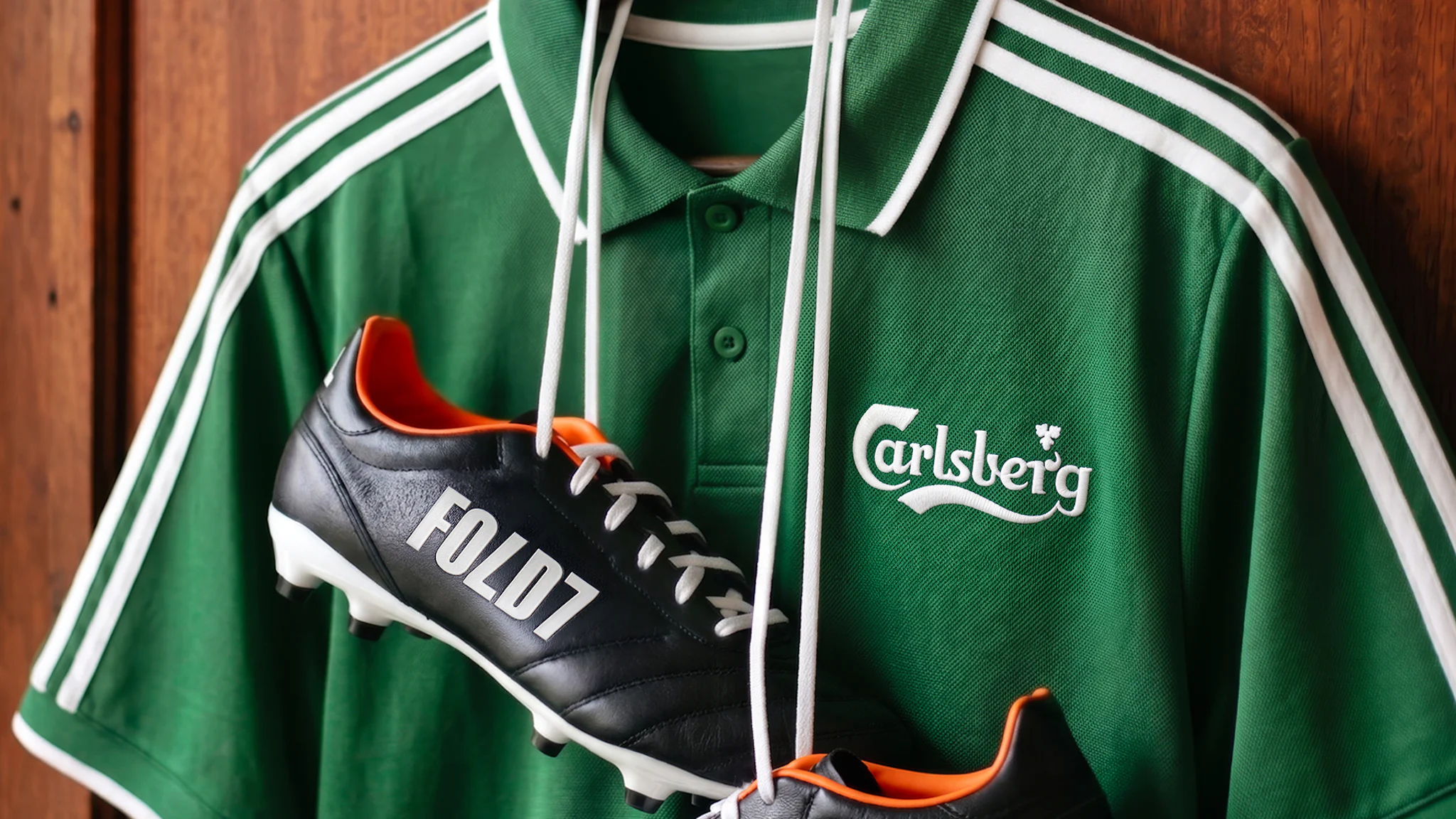
I take a different view. Given that I was part of the team at Fold7 that brought back the ‘If Carlsberg did…’ tagline earlier this year, this may sound like a case of ‘well, she would say that, wouldn’t she?’, but I’d argue that the ‘old versus new’ debate is the wrong way to frame this trend.
Newness is not the same as originality, and familiarity is not necessarily unoriginal. Perhaps a more useful question is whether a brand is simply repeating something people liked before, or finding new meaning in something that still belongs unmistakably to it.
Of course, recognition is an advantage, not a strategy. ‘People will remember it’ explains the response to a returning campaign, but it’s not a good enough reason to bring one back. To earn its place in the present, the idea has to do a job now: express where the brand is going and create fresh possibilities, rather than replay old ones.
That was the challenge when we brought back ‘If Carlsberg did…’ after a decade. The construct still belonged unmistakably to Carlsberg and remained alive in culture – in the year prior to its return, there were 20,000 references to it across social media globally.
The line was one of those rare advertising constructs that became part of culture. But it had been dormant and the brand had evolved. So the question wasn't simply: can we bring it back? It was: could we bring it back with something real to say, not just nostalgia to trade on? And how do we avoid tainting the purity of it just existing freely in culture?
The original "If Carlsberg Did…" was fundamentally a superiority message. Laddy, witty, and sharp. It took ordinary things and imagined elevated versions of them. It was a product of its time in the best possible way. The tone was right and the humour landed. But what was once aspirational and uncomplicated didn't really ring true anymore. Something shifted in how people relate to the idea of ‘the best’. The best isn't just out there anymore. It’s out of reach for most people. This tension is at the heart of the new brand purpose, which is that Carlsberg exists to help more people access more of the best
This purpose helped us reframe "If Carlsberg Did…". Where the old construct asked: what if we made this thing better? The new one explores: what if we gave this thing back to everyone? The original was about quality and superiority. The new version is about access and fairness. Same wit, same ambition, now with different values underneath.
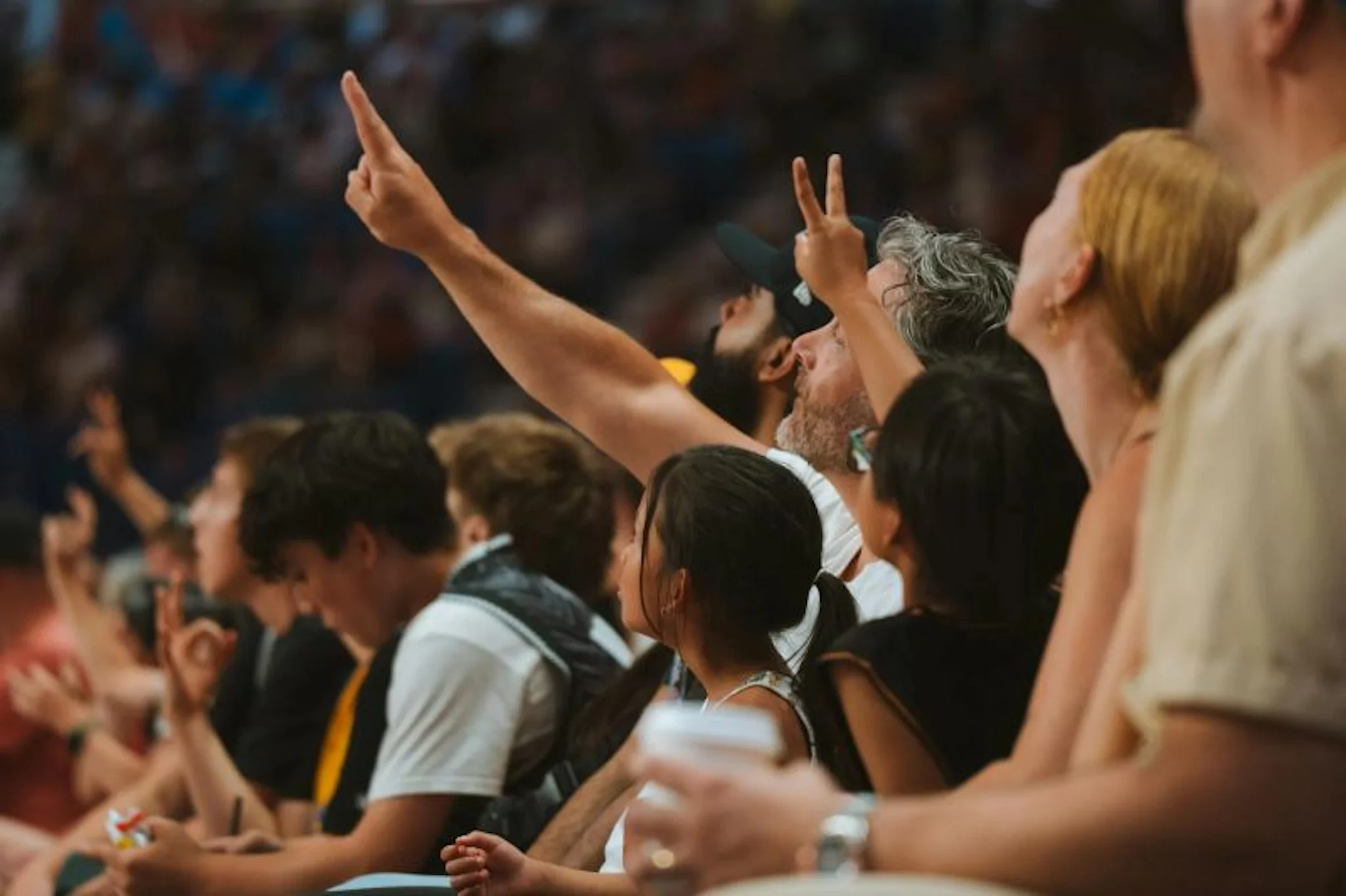
Our new purpose was not only true to the brand, it offered us plenty of scope to play with it in new ways. This resulted in innovative activations - teaching Liverpool FC fans to perform ‘You’ll Never Walk Alone’ in BSL with ‘Signs of Unity’, or transforming city street walls into playable football goals with our "Goal Posters" campaign.
For brands looking to re-engage audiences, here’s some advice:
Don’t abandon what already belongs to you
Brand owners can be too quick to reach for the reset button. But some of the most powerful assets a brand owns are often the ones it has quietly stopped using. The instinct to modernise can become the drive to erase. Don’t overlook important elements from the history of your brand. Key brand assets can be dusted off, re-thought and brought back refreshed. At a time when, all too often, brand owners opt for change for change’s sake, a longer-term view and greater forensic understanding of how to use what you already have to progress a brand can deliver significant and meaningful value.
Purpose doesn’t have to be worthy
There's a version of brand purpose that announces itself and then does very little. It plants a flag, writes a manifesto, and waits to be admired. Serious in tone. Worthy in subject. Oddly joyless for something that's supposed to connect with people.
Viewing purpose as worthy or earnest is limiting. Significant opportunities lie in identifying problems relevant to the daily lives of your customers and finding ways to address them that are true to who you are. Purpose lands hardest when it fits a brand's natural character. Carlsberg has always had humour in its DNA. Trying to do purpose in a different voice would have felt false. Instead, the wit becomes the delivery mechanism for something that actually matters.
Take a holistic approach
A single execution makes noise, but what builds a brand is a system of proof- repeated actions that show, rather than declare, what a brand stands for. When action and communication reinforce each other completely, the work stops feeling like advertising and starts to feel like you really mean it.
Originality doesn’t have to look entirely unfamiliar. The real opportunity when you resurrect a brand asset is not to remind people what a brand once was, but to show them what it’s willing to do now. Done right, the familiar could be the foundation for something much more exciting - and original - than anything built from scratch.
This article was first published on www.campaignlive.co.uk
More Suggested Articles
Sign up to hear
more from us.
We'll add you to the mailing list so you can read our
latest news, views and cunning ideas.